

Missourians will cast ballots in August on Amendment One, which is an extension of Missouri’s parks, soils and water sales tax.
The one-tenth of one percent sales tax was created through a constitutional amendment in 1984 and it’s been reapproved by voters four times: in 1988, 1996, 2006 and 2016. Missouri Department of Natural Resources (DNR) director Kurt Schaefer was live on 939 the Eagle’s “Wake Up Missouri”:
“So in 2016, which is the last time it was passed, it passed by over 80 percent and it passed in all 114 counties in the state of Missouri,” Director Schaefer says.
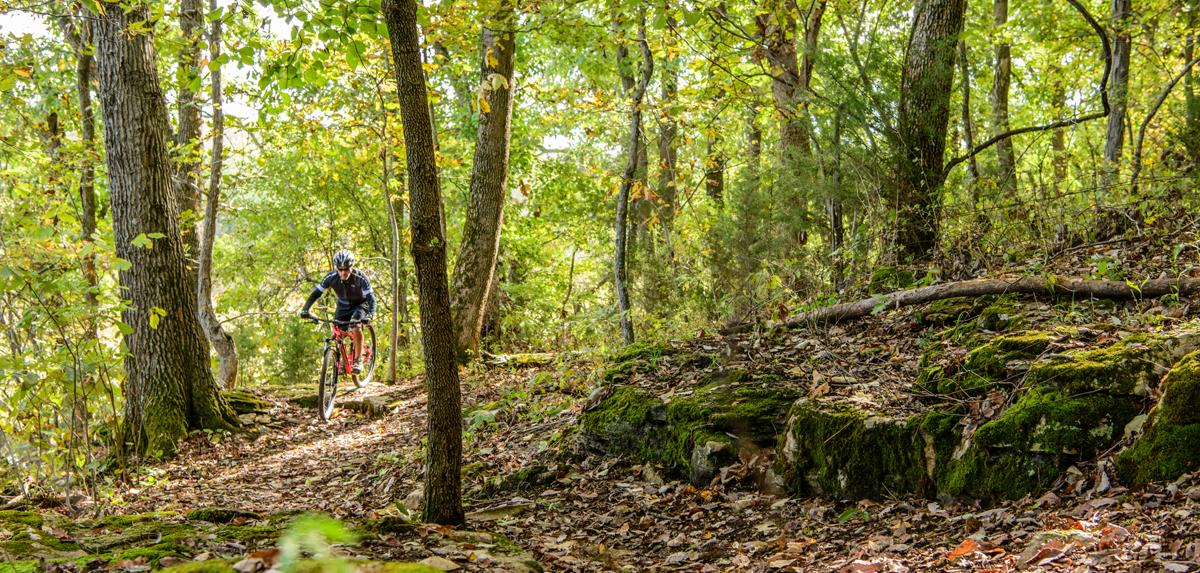
Director Schaefer tells listeners that Missouri is one of eight states that don’t charge for admission to state parks.

Missouri voters approved a constitutional amendment in 1984 that created the tax, which is earmarked specifically for the state park system and efforts to stop soil erosion:
“So one tenth of one percent on all sales taxes collected across Missouri that goes to basically two sources. So 50 percent of that goes to Missouri state parks and 50 percent of it go to the soil and water conservation program,” says Schaefer.
Missouri Department of Natural Resources (DNR) director Kurt Schaefer tells 939 the Eagle’s “Wake Up Missouri” that the tax generates about $136-million annually. You can hear the full “Wake Up Missouri” interview with Director Schaefer here.
What’s next: Amendment One will be on Missouri’s August ballot. Passage requires a simple majority.